


In-depth Analysis The Relationship Between Grayscale And Brightness Of LED Display
Nov 13, 2024
Leave a message
With the continuous advancement of technology, LED displays are playing an increasingly important role in various application scenarios. Whether it is outdoor billboards, indoor conference displays or stage backgrounds, LED displays have won wide market recognition for their excellent performance and display effects. However, many users may still have some doubts about the core parameters of LED displays - grayscale and brightness. The following will deeply analyze the relationship between grayscale and brightness of LED displays to help everyone better understand this technology.
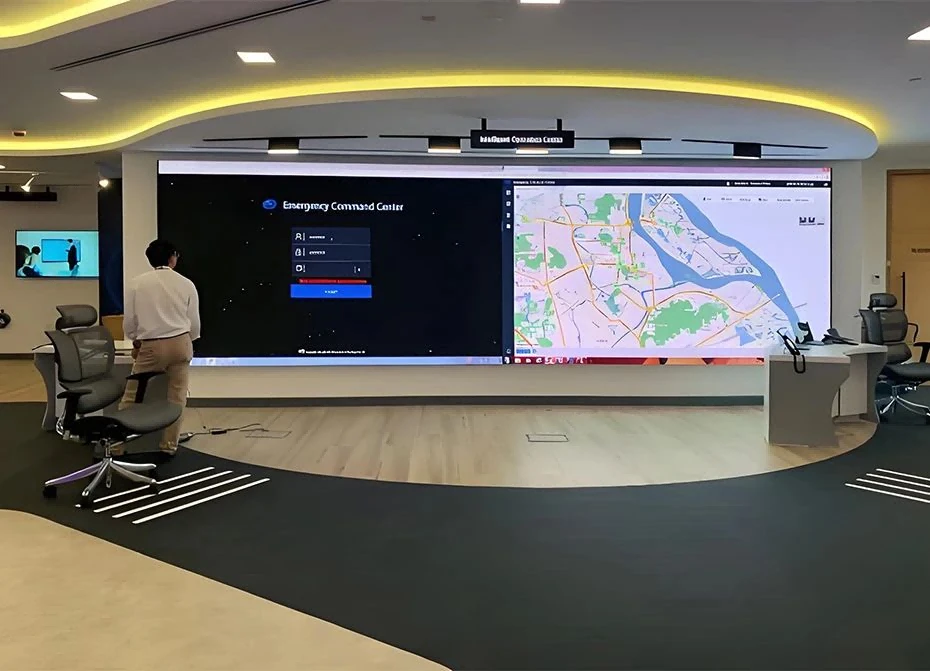
1. Basic concepts of grayscale and brightness
First, we need to clarify the basic concepts of grayscale and brightness. Grayscale, also known as grayscale or brightness, refers to the brightness of each pixel on the display. For digital display technology, grayscale is the determining factor of the number of displayed colors. Generally speaking, the higher the grayscale, that is, the higher the grayscale level, the richer the color presented by the LED display, the more delicate the picture, and the easier it is to show rich details. Brightness refers to the overall luminous intensity of the display, which is an important indicator to measure the brightness of the display.
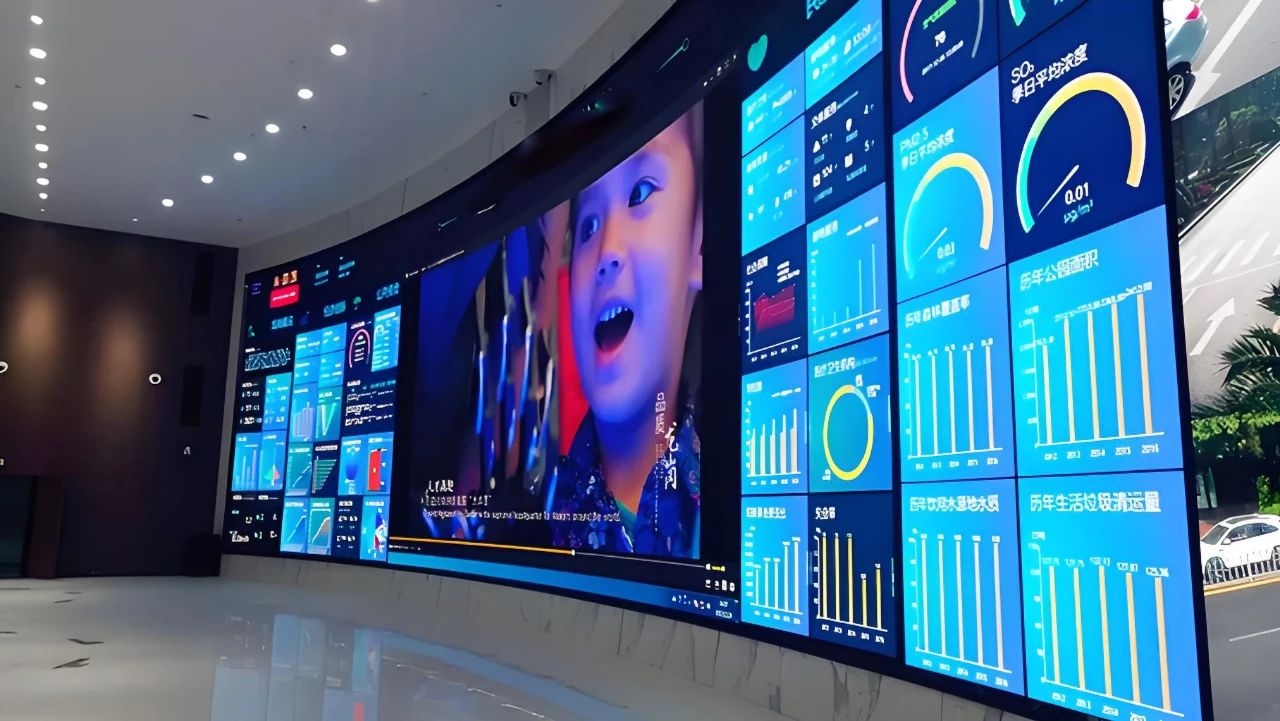
2. Close connection between grayscale and brightness
Grayscale and brightness do not exist in isolation in LED displays, but are interrelated and influence each other. The grayscale and brightness of LED displays are closely related. By adjusting the grayscale level, the brightness can be precisely controlled. Specifically, changing the current flowing through the LED or using pulse width modulation (PWM) technology are both effective ways to control the grayscale level and thus adjust the brightness.

3. Grayscale control method
Grayscale control is the key technology for LED display screens to achieve different brightness levels. There are two common grayscale control methods: changing the current flowing through and pulse width modulation (PWM).
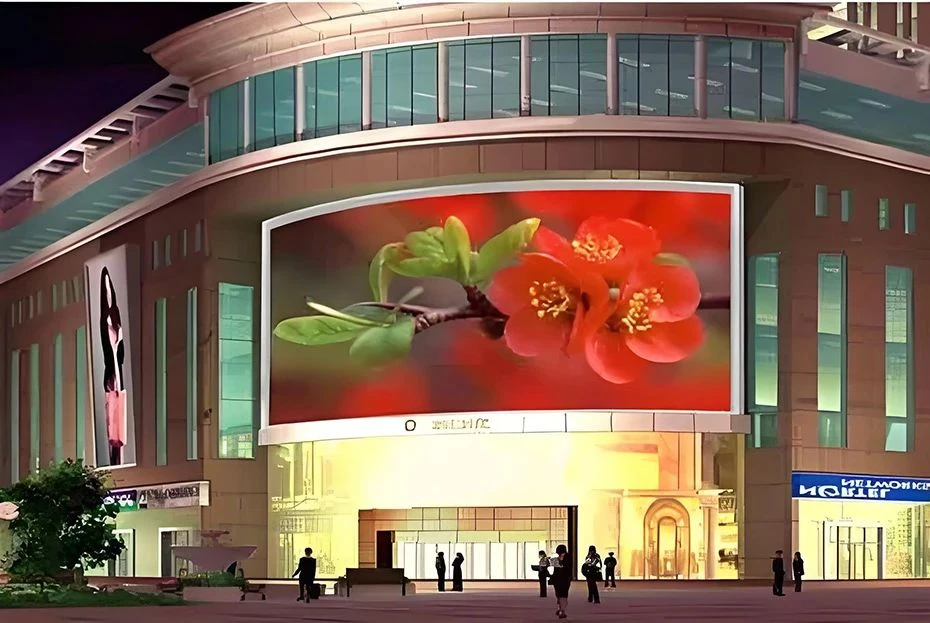
① Change the current flowing through
[1] Principle: By adjusting the current flowing through the LED, the brightness of the light can be changed, thereby achieving grayscale control. Generally speaking, the brightness of the LED is proportional to the current flowing through it, but due to the saturation phenomenon of the red LED, the relationship between its brightness and current may not be completely proportional.
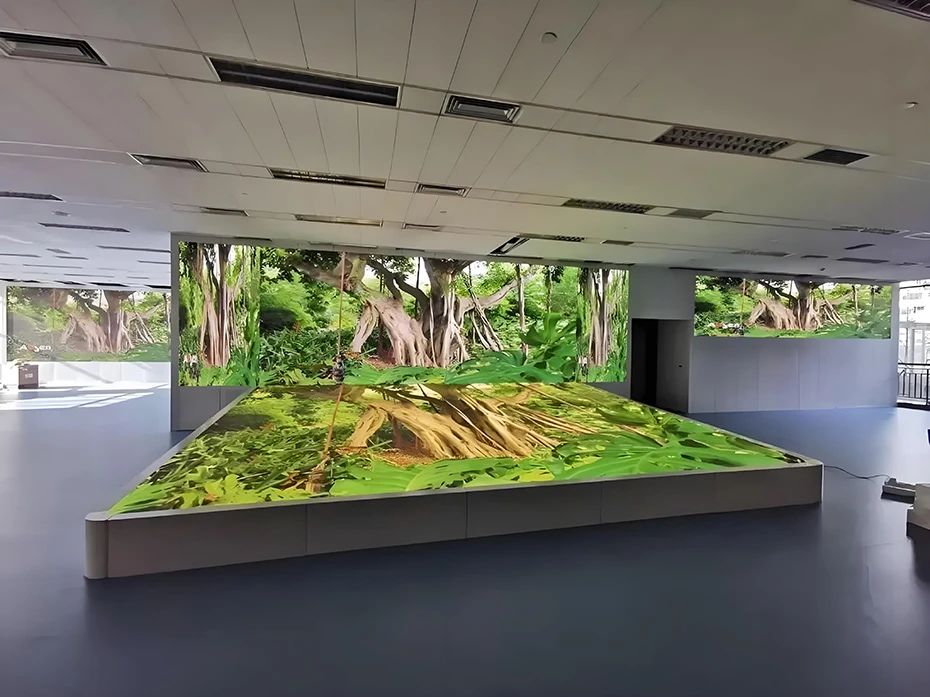
[2]Application: This method is relatively direct, but in actual application, attention should be paid to the stability and safety of the current to avoid damage to the LED due to excessive current.

② Pulse Width Modulation (PWM)
[1] Principle: PWM technology controls the lighting time of the LED by periodically changing the width of the light pulse (i.e., duty cycle), thereby achieving grayscale adjustment. At a sufficiently high refresh rate, the human eye cannot perceive changes in brightness, so a continuous brightness adjustment effect can be achieved.

[2]Advantages: PWM technology is more suitable for digital control and can effectively reduce power consumption, so it has been widely used in modern LED displays. Through PWM technology, high grayscale display effects can be easily achieved, improving the fineness and color richness of the picture.
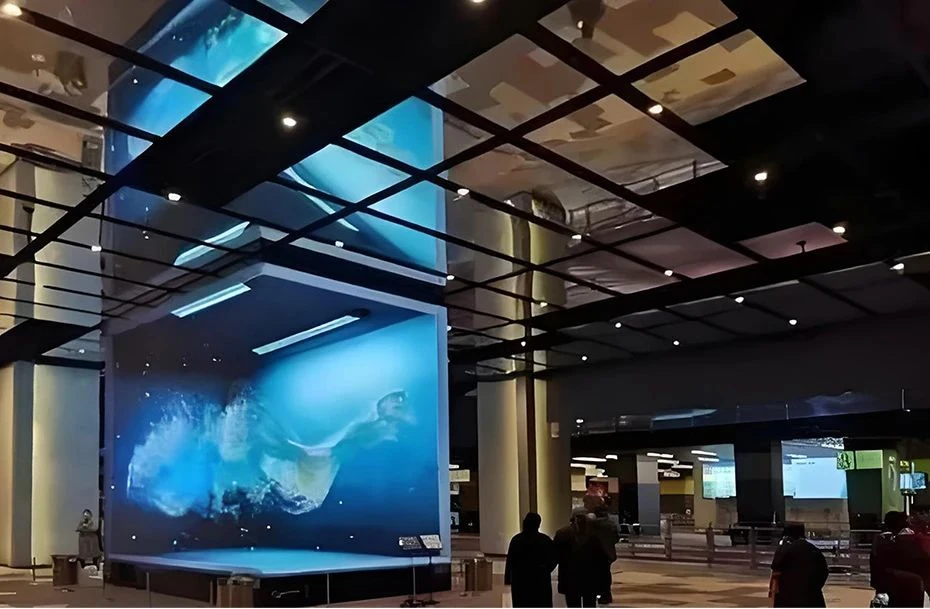
③ Implementation method: The scanning board decomposes the grayscale value from the main control box, and then transmits it serially to the corresponding LED in the form of pulses. Each LED has its own pulse width modulator to control the lighting time, thereby achieving precise control of the grayscale.
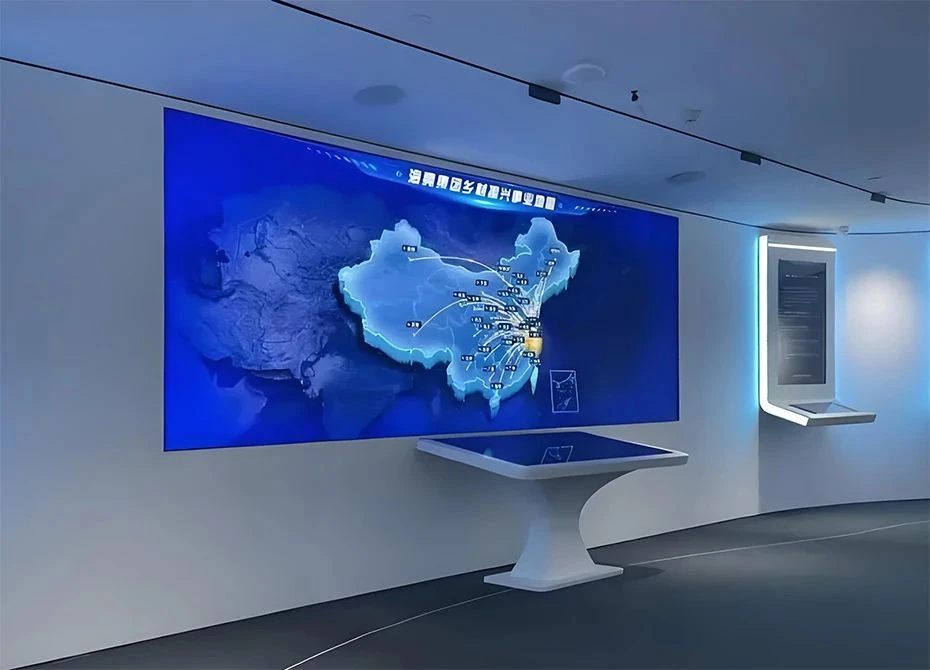
4. Grayscale brightness adjustment technology
The grayscale brightness adjustment technology is essentially to change the overall brightness of the LED display by controlling the grayscale level. Since there is a direct connection between grayscale and brightness, the brightness can be adjusted by adjusting the grayscale level.
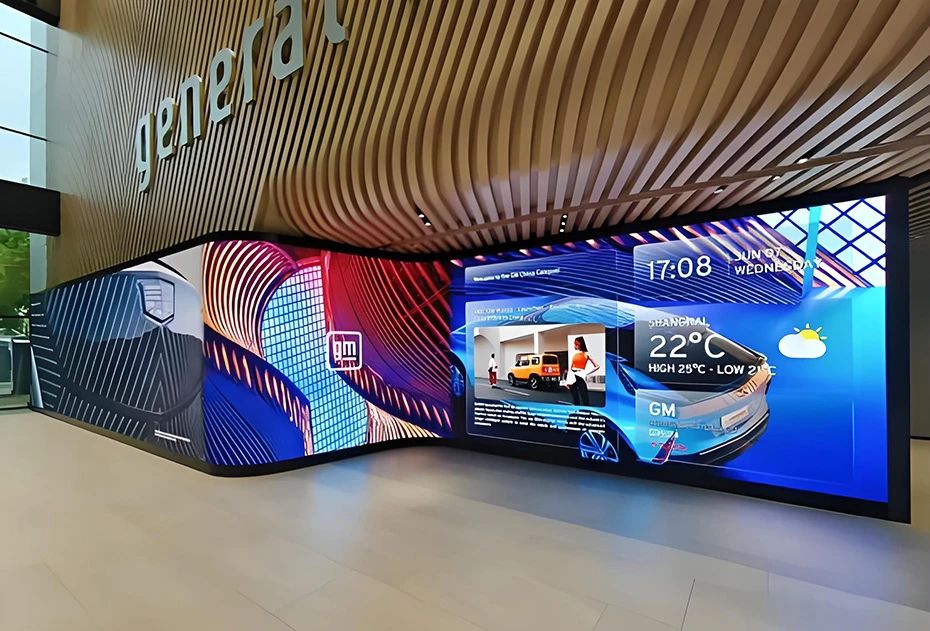
① Relationship between grayscale and brightness
The higher the grayscale level, the more brightness levels the display can present, thus achieving a more delicate brightness adjustment effect. In practical applications, the appropriate grayscale level can be selected as needed to match different brightness requirements.
② Adjustment process
In the control system of the LED display, the grayscale level is changed by adjusting the grayscale control parameters. These parameters may include current size, duty cycle of PWM signal, etc. According to different adjustment methods (changing current or PWM), the system will adjust these parameters accordingly to achieve brightness adjustment.
③ Practical application
In practical applications, the balance between grayscale and brightness is crucial. Although too high brightness can bring a strong visual impact, long-term viewing may cause discomfort to the human eye; while too low brightness may cause loss of picture details and affect the viewing experience. Therefore, according to different application scenarios, it is particularly important to reasonably adjust the grayscale and brightness of the LED display.
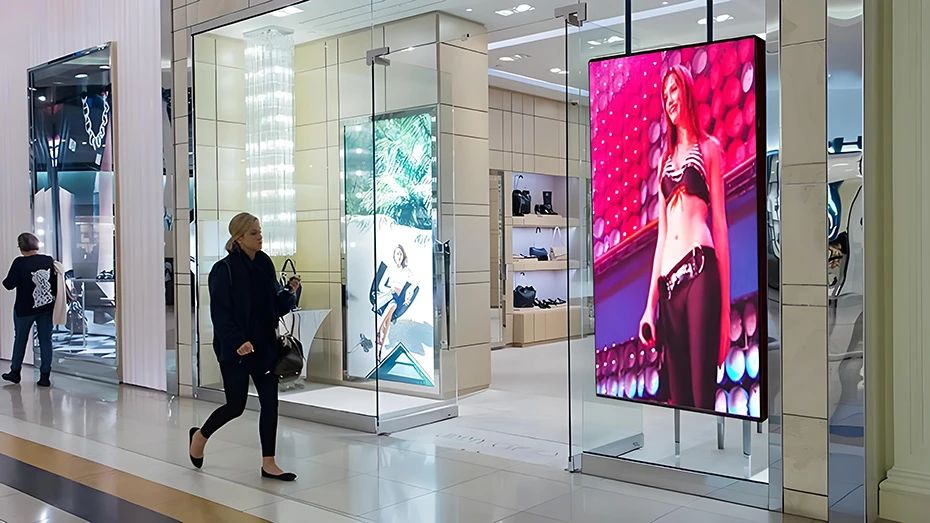
For example, in outdoor high-brightness environments, in order to ensure that the display content is clearly visible, it is usually necessary to increase the brightness of the display; while in indoor low-brightness environments, the brightness can be appropriately reduced to reduce visual fatigue. At the same time, by optimizing the grayscale level, the fineness and color richness of the picture can be further improved, bringing users a more comfortable viewing experience.
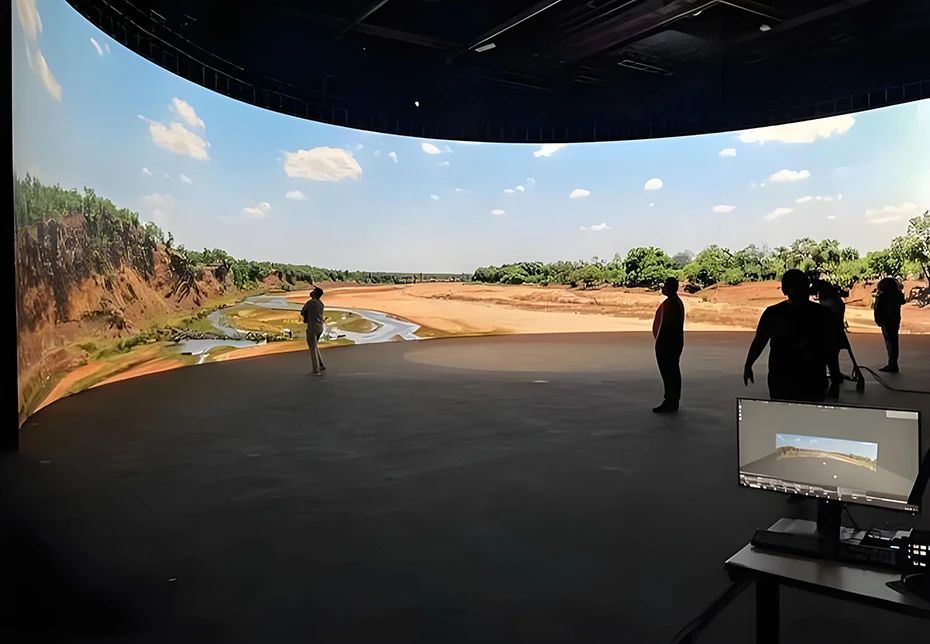
In summary, there is a close connection between the grayscale and brightness of LED display screens. By scientifically and rationally adjusting the grayscale and brightness parameters, the performance advantages of LED display screens can be fully utilized to bring users a better and more efficient visual experience. With the continuous advancement of technology and the continuous expansion of applications, we have reason to believe that LED display screens will show their unique charm and value in more fields.
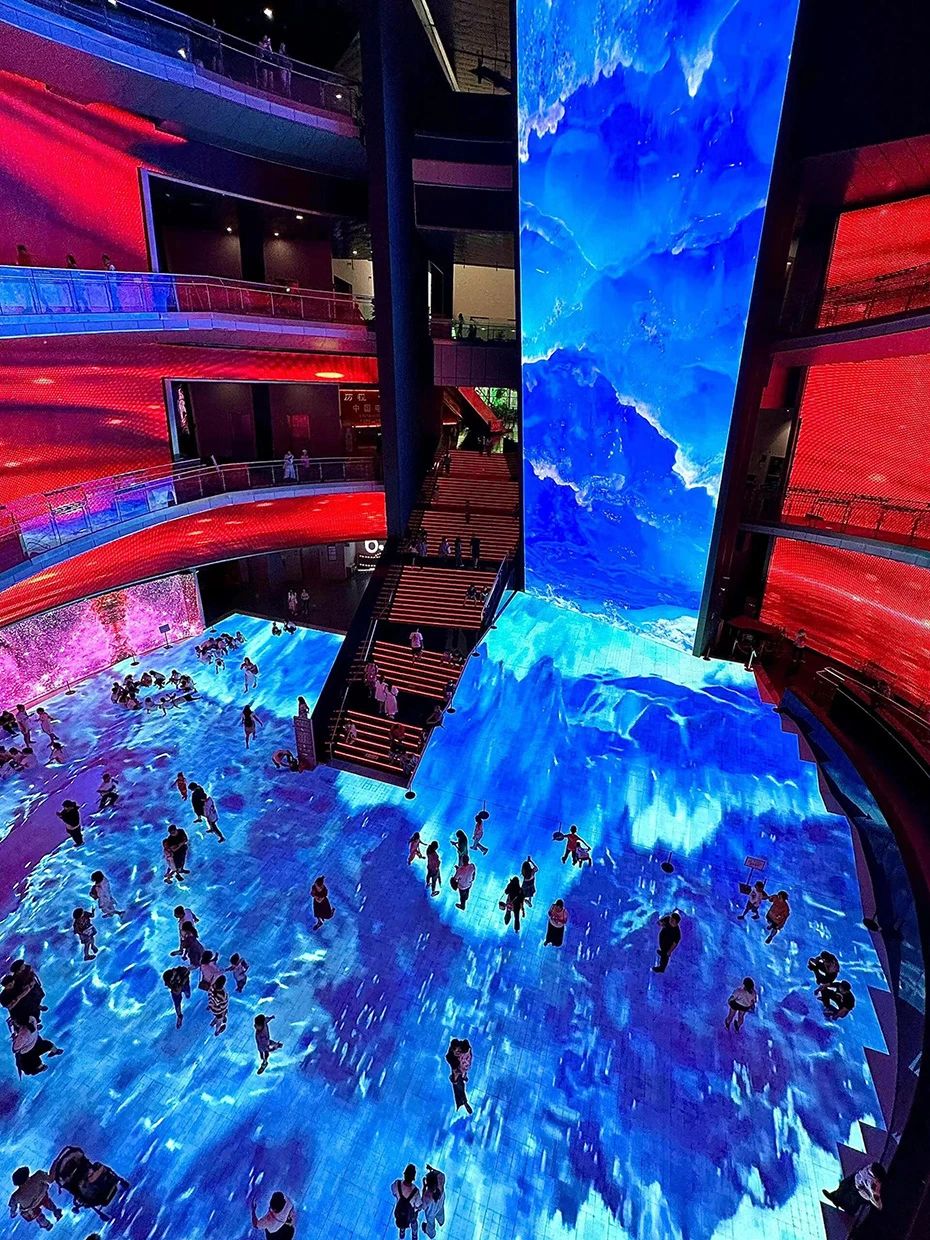
The above is some basic knowledge about In-depth analysis the relationship between grayscale and brightness of LED display. I hope it can help you understand LED display screens. If you have any needs for LED display screens, you can click here to jump to our LED product page to learn more about the characteristics of our brand LED products. You can also click here to contact us and directly tell us your specific needs. We will arrange professional personalized customization experts to provide you with the most professional services.