


Key Considerations For Selecting Outdoor Naked-Eye 3D LED Displays
Mar 12, 2026
Leave a message
I. Selection of Core Display Parameters for Outdoor Naked-Eye 3D LED Displays
1.Pixel Pitch and Resolution
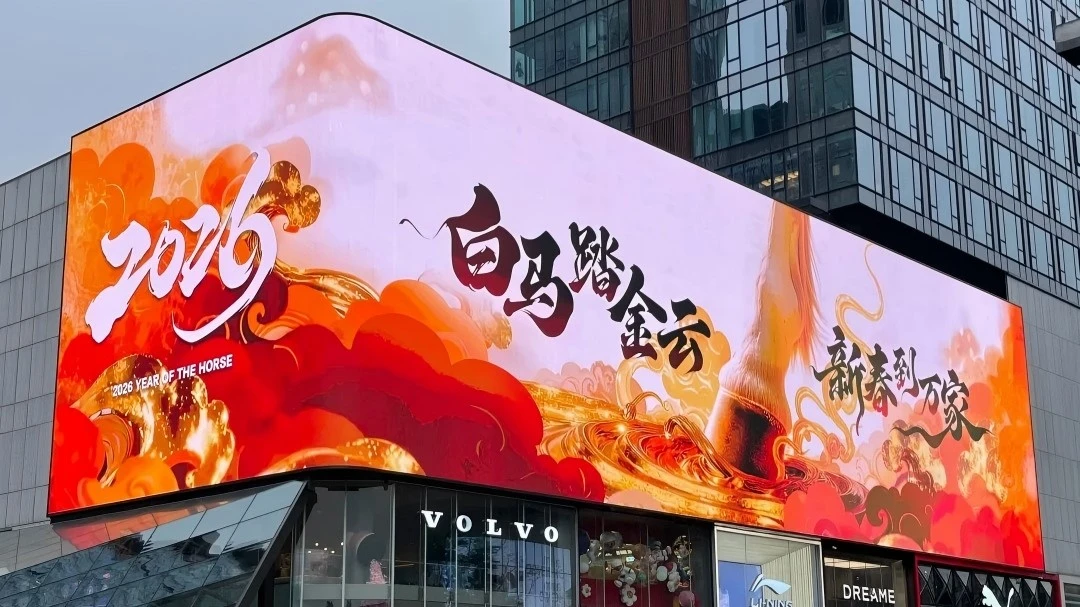
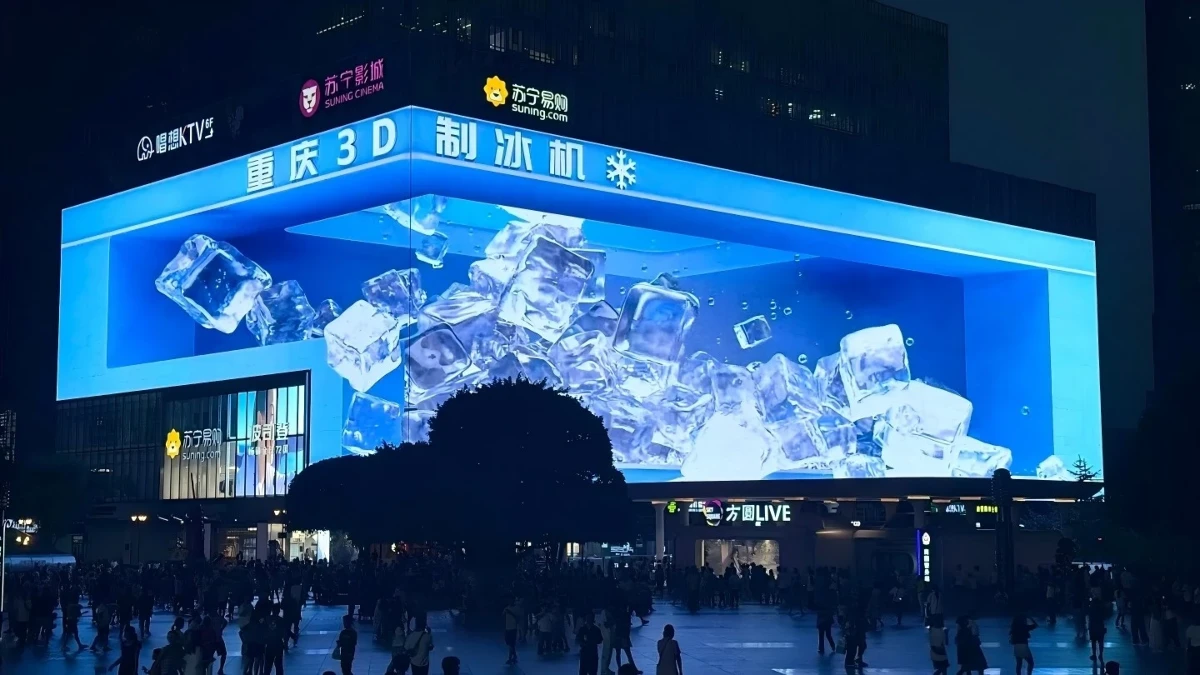
Select an appropriate pixel pitch (P3-P10) based on the optimal viewing distance and the total screen area. For close-range scenarios, P3-P6 is suitable, while P8-P10 is preferred for long-distance viewing. Smaller pixel pitch models can deliver more refined 3D effects, but it is necessary to balance cost against heat dissipation requirements.
2.Brightness and Contrast
For outdoor environments, choose screens with high brightness (typically ≥5000 nits) that support automatic brightness adjustment to cope with intense light interference. Additionally, high contrast can enhance the depth and layers of 3D images, preventing a dull or lackluster appearance.
3.Viewing Angle and Installation Height
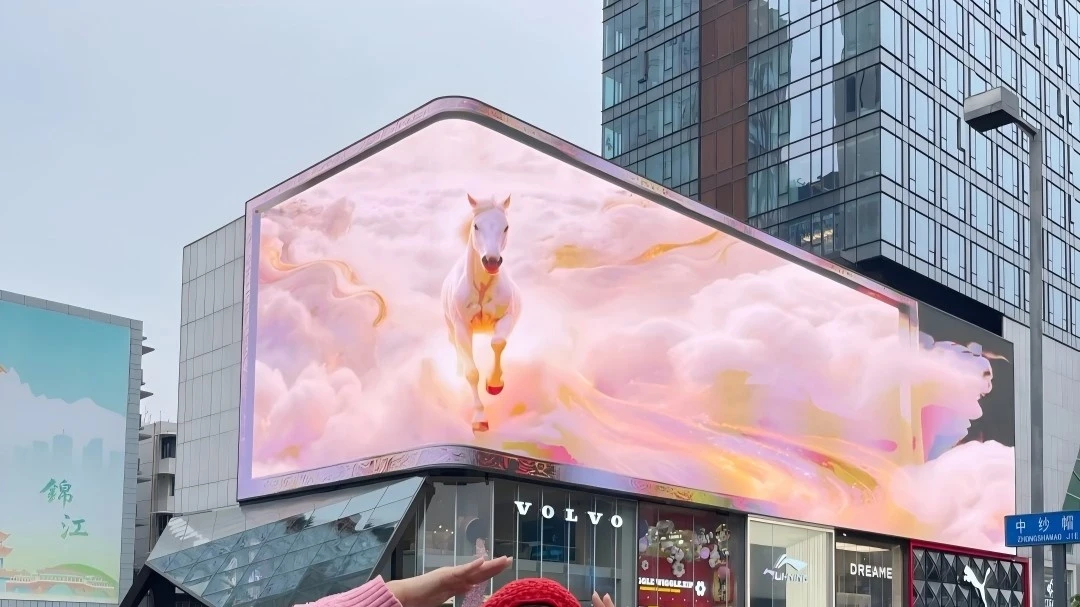
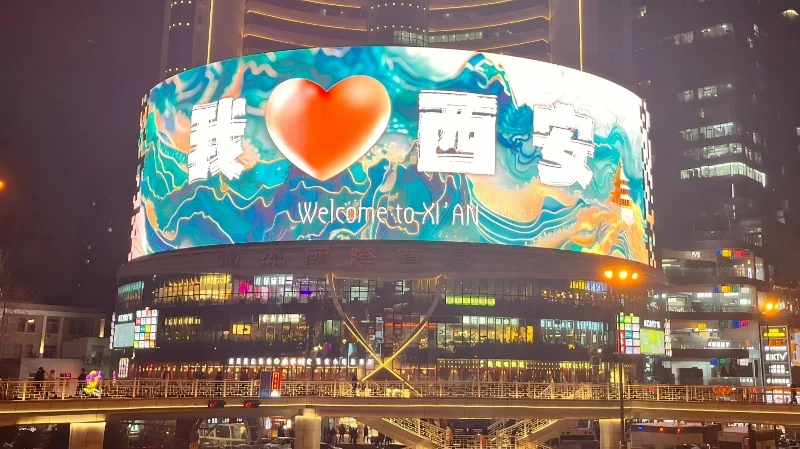
Ensure that the horizontal/vertical viewing angle of the screen is ≥160°. Adjust the tilt angle in combination with the installation height so that audiences can clearly view the content from various positions.
II. Hardware Performance and Reliability of Outdoor Naked-Eye 3D LED Displays
1.Quality of LED Lamps and Chips
Prioritize LED lamps from well-known brands, paying close attention to their color rendering index, anti-degradation capability, and packaging technology (such as SMD 3-in-1 technology). Inferior lamps are prone to severe brightness decay and color shifts.
2.Heat Dissipation Design
In high-temperature outdoor environments, it is necessary to adopt efficient heat dissipation solutions (such as aluminum substrates, ceramic substrates, or active air cooling) to reduce the chip junction temperature and extend the service life.
3.Protection Rating
The screen must have an IP65 or higher waterproof and dustproof rating. The cabinet structure should be corrosion-resistant and UV-resistant, with proper sealing of cables and joints.
III. Installation and Maintenance Essentials for Outdoor Naked-Eye 3D LED Displays
1.On-site Environment Assessment
Conduct an advance analysis of the installation site, including the direction of sunlight, shading from surrounding buildings, and crowd distribution. This helps avoid compromised visual effects caused by light reflection or restricted viewing angles.
2.Structural Load-bearing and Wind Resistance
Reinforce the support structure according to local meteorological conditions. In particular, coastal areas need to enhance wind resistance levels to prevent damage from extreme weather.
3.Professional Construction Team
Tasks such as power wiring and signal transmission must be carried out by experienced technical personnel to avoid failures caused by short circuits or poor contact.
4.Regular Inspection and Maintenance
Establish a routine inspection mechanism to clean dust in a timely manner, check the status of LED lamps, and optimize color consistency using grayscale calibration instruments.
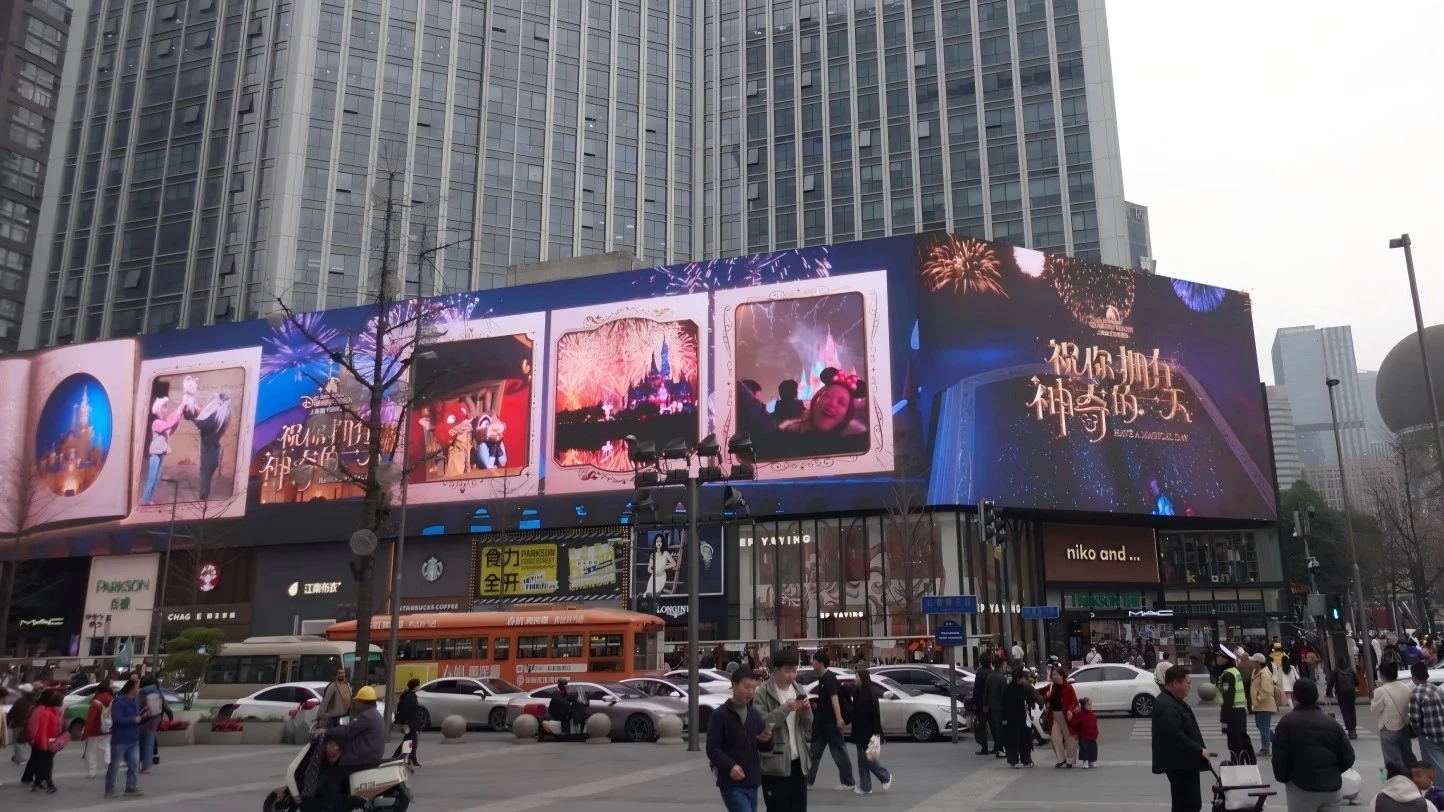
In conclusion, by taking into account the above multi-dimensional factors comprehensively, the display effect and operational stability of outdoor naked-eye 3D LED displays can be effectively enhanced, ultimately maximizing commercial value.