


A Precise Selection Guide For Museum LED Display Screens
Mar 27, 2026
Leave a message
As a core venue that carries human civilization and conveys cultural value, every display carrier in a museum must deeply resonate with the temperament of cultural relics and the ambiance of the space. As a key tool for the digital display of museums, the LED display screen must not only meet the precision of information transmission but also balance cultural relic protection and visual aesthetics. Its selection is by no means a simple equipment procurement, but a systematic project that integrates technology, scenarios, and culture. Only by centering on the core needs of the museum and accurately grasping the selection dimensions can the display screen truly become a bridge connecting audiences with history.
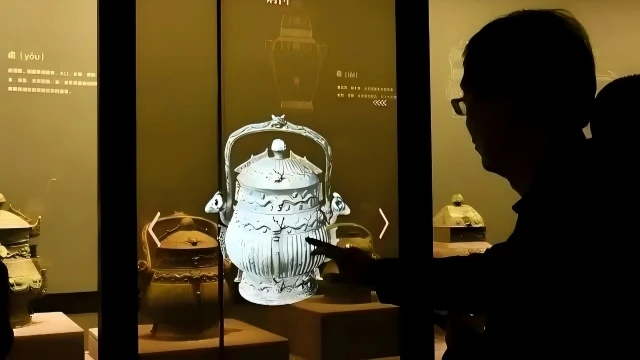
I. Core Principles: Anchoring the Core Needs of Museum Scenarios
The primary prerequisite for selecting museum LED display screens is to break away from the purchasing logic of general-purpose display equipment, closely focus on the particularities of museum scenarios, and take three core principles as the cornerstone for screening, to ensure that the equipment resonates with the needs of the scenario.
(I) Prioritize Cultural Relic Protection and Strictly Uphold Safety Bottom Lines
Cultural relics are precious and non-renewable heritage, and no display equipment should cause damage to them. The selection of museum LED display screens must take cultural relic protection as the top criterion. On the one hand, it is essential to strictly control the heat output of the display screen, prioritizing products with excellent heat dissipation performance and low operating temperatures, to avoid heat generated by long-term operation causing cultural relics to dry out, crack, or fade. On the other hand, electromagnetic interference must be eliminated, ensuring that the electromagnetic radiation of the display screen complies with cultural relic protection standards, to prevent hidden damage to the material and structure of cultural relics. Meanwhile, for display screens close to cultural relics, attention should also be paid to the stability and safety of their installation methods, to avoid accidental falling and causing physical damage to cultural relics.
(II) Match the Spatial Atmosphere and Highlight Cultural Temperament
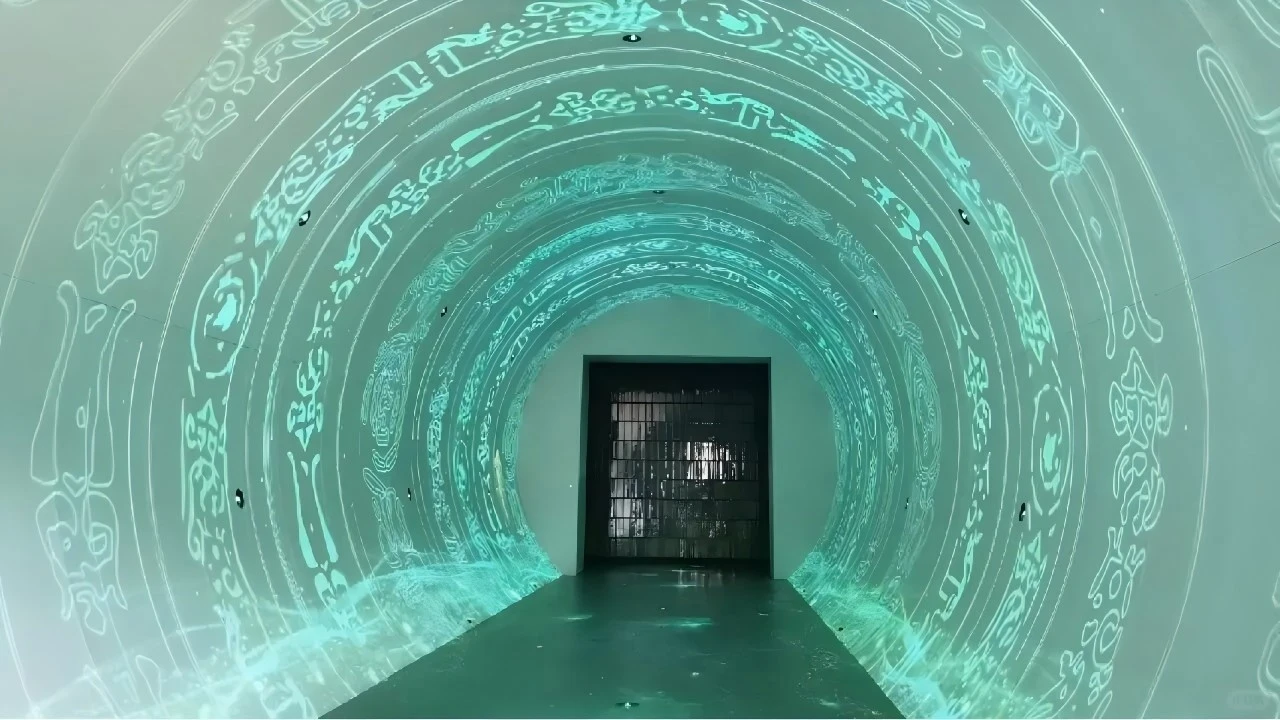
The space of a museum carries specific cultural contexts. From the solemnity and simplicity of history museums, to the futuristic sense of science and technology museums, and the vividness and elegance of art museums, the spatial atmospheres of different venues differ significantly. The selection of LED display screens needs to deeply integrate with the overall style of the venue, avoiding a sense of incongruity. In terms of color matching, it should be coordinated with the main color tone of the venue. History museums can choose low-saturation, steady colors to echo the primitive texture of cultural relics; science and technology museums can use cool-toned, tech-savvy color schemes to match the innovative atmosphere. In terms of appearance design, it should pursue simplicity and elegance, avoiding overly complex designs that disrupt the solemnity of the space, ensuring that the display screen becomes an enhancement rather than a distraction to the spatial atmosphere.
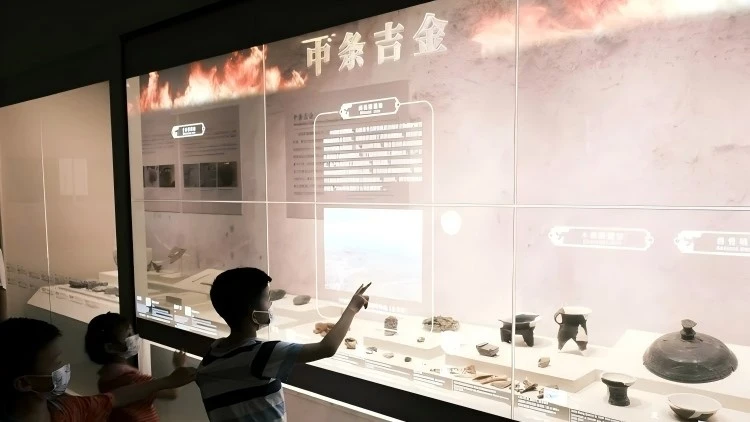
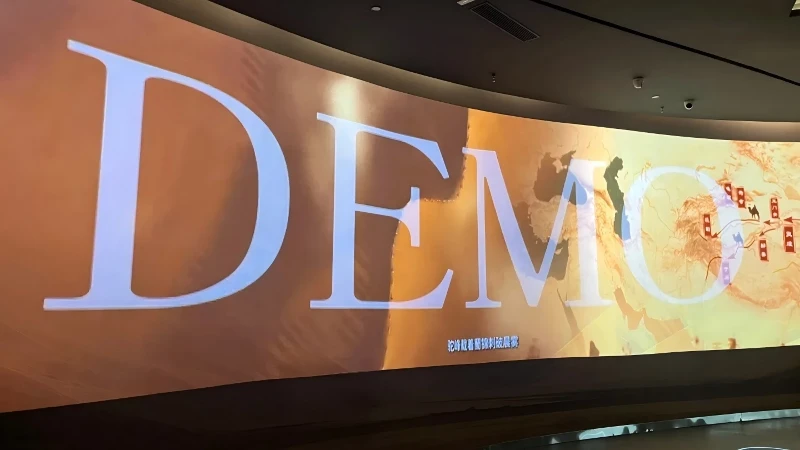
(III) Adapt to Display Functions and Meet Diverse Needs
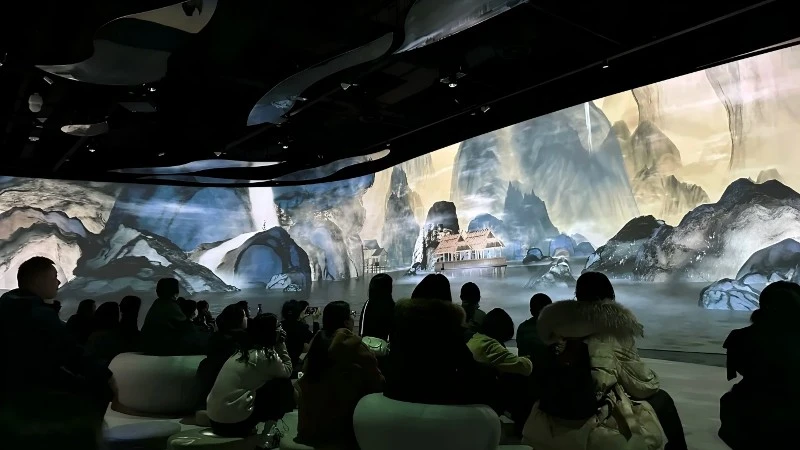
The display functions of museums are rich and diverse, covering the restoration of cultural relic details, the reconstruction of historical scenes, and the dissemination of popular science knowledge, and different functions have completely different requirements for display screens. When selecting, it is necessary to accurately match equipment performance according to the core display needs of the venue. Display screens used for cultural relic close-ups need to have high resolution and delicate color performance to restore the texture and color of cultural relics; display screens used for dynamic scene reconstruction need to have smooth dynamic display capabilities to accurately present historical scenes; display screens used for interactive popular science need to balance touch sensitivity and information capacity to meet the interactive needs of audiences, ensuring that the display screen can accurately serve various display scenarios.
II. Key Dimensions: Precise Control of Core Performance
On the basis of clarifying core principles, it is necessary to conduct in-depth consideration from three key dimensions of image quality, stability, and interaction, and precisely control the core performance of the display screen, to ensure that the equipment can not only meet display needs but also adapt to the long-term operation of the museum.
(I) Image Quality Performance: Restore History and Convey Details
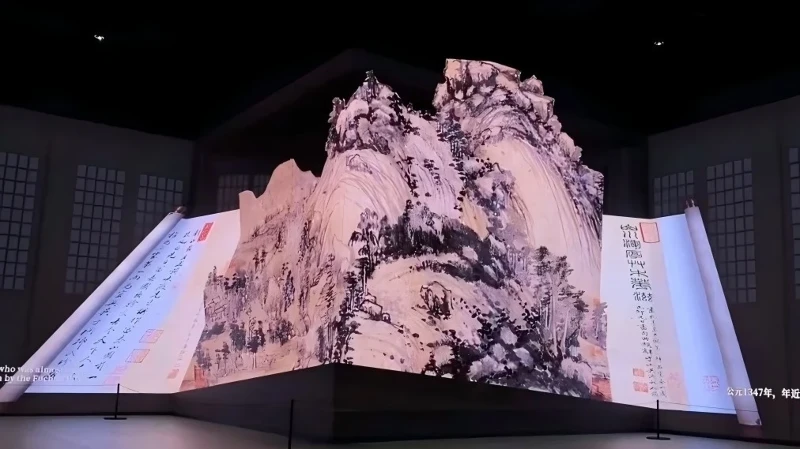
Image quality is the core of museum displays, directly related to audiences' cognition and feelings about cultural relics. When selecting, three core indicators should be focused on: first, resolution. It is advisable to prioritize products with 4K or higher resolution to ensure clear restoration of the subtle textures and color layers of cultural relics, allowing audiences to see every detail of the cultural relics; second, color restoration accuracy. The color performance of the display screen needs to meet professional standards, accurately restoring the original colors of cultural relics, and avoiding color deviation that may lead to audiences' misunderstanding of cultural relics; third, contrast. High contrast can make the light and dark layers of cultural relics more distinct, highlighting the three-dimensional sense of cultural relics, and it is particularly crucial for cultural relics such as calligraphy, paintings, and ceramics that have high requirements for light and dark contrast.

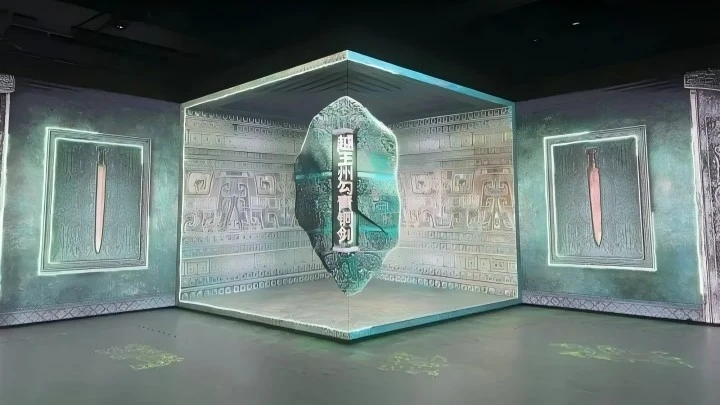
(II) Operational Stability: Ensure Long-term Operation and Reduce Wear and Tear
The operation of a museum is long-term and continuous. Once the display screen fails, it will not only affect the display effect but may also disrupt the visiting order, so stability is an important consideration in selection. On the one hand, attention should be paid to the core hardware quality of the display screen. Products that use high-quality components and have undergone strict aging tests should be selected to ensure that the equipment can operate stably for a long time and reduce the failure rate. On the other hand, the heat dissipation design and protection performance should be considered. The environment of the museum may have changes in temperature and humidity, and the display screen needs to have good heat dissipation capability as well as waterproof, dustproof, and moisture-proof performance to adapt to different indoor environments, reduce equipment wear and tear caused by environmental factors, and extend the service life.
(III) Interactive Experience: Bridge the Gap and Enhance Participation
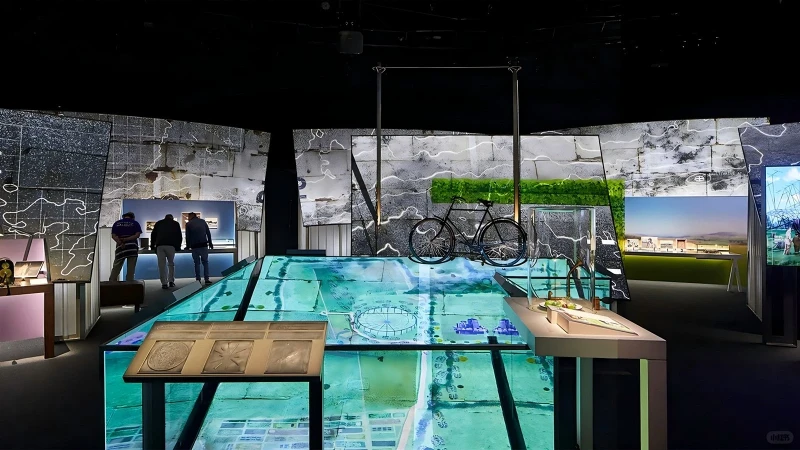
With the advancement of the digitalization process of museums, interactive experience has become an important way to attract audiences. When selecting display screens with interactive functions, both operational convenience and experience fluency should be taken into account. For touch interactive screens, it is necessary to ensure high touch sensitivity, fast response speed, and support for multi-touch, so as to facilitate audiences to quickly obtain information; for motion-sensing interactive screens, it is required to ensure high recognition accuracy and timely motion response, so that audiences can participate in interaction naturally and fluently. Meanwhile, the design of the interactive interface needs to be simple and intuitive, conforming to the operation habits of audiences of different age groups, lowering the threshold of use, and enabling audiences to better understand cultural connotations during interaction.
III. Implementation Guarantee: Detail Control Balancing Practicality and Adaptability
When selecting museum LED display screens, it is also necessary to make proper considerations at the detailed levels of installation adaptability, later maintenance, and cost control, to ensure that the equipment can achieve efficient adaptability and stable operation from procurement to implementation and then to long-term operation.
(I) Installation Adaptability: Balance Space and Construction, Ensure Safety and Aesthetics
The spatial structure of a museum is complex, with both load-bearing limitations and aesthetic requirements. The installation adaptability of the display screen needs to be carefully considered. First, spatial adaptability. According to the space size and load-bearing capacity of the installation position, a display screen with appropriate size and moderate weight should be selected, to avoid affecting the safety of the building structure due to oversized size or excessive weight; second, installation method. According to the installation scenario, suitable installation methods such as wall-mounted, suspended, and embedded should be chosen. It is necessary to ensure stable installation and hide lines well, maintaining the cleanliness and aesthetics of the space; third, construction convenience. Products with simple installation processes and minimal venue modifications should be selected, to reduce the impact on the normal operation of the museum during construction, and at the same time lower construction costs.
(II) Later Maintenance: Convenient and Efficient, Reduce Operation Costs
Museum LED display screens usually need to operate for a long time, and the convenience of later maintenance is directly related to operation costs and equipment service life. When selecting, two aspects should be focused on: first, modular design. It is advisable to prioritize display screens with a modular structure. When a certain module fails, it can be quickly replaced without overall disassembly, greatly shortening maintenance time and reducing the impact on display; second, remote maintenance function. Display screens with remote monitoring, fault diagnosis, and system upgrade functions can enable technical personnel to troubleshoot problems remotely, reduce the frequency and cost of on-site maintenance, and especially for large museums, remote maintenance can significantly improve operation and maintenance efficiency.
(III) Cost Control: Balance Investment and Value, Achieve High Cost-effectiveness
Cost is an important consideration in selection, but the purchase of museum display screens cannot only look at the initial procurement price. It is necessary to establish an awareness of full life-cycle cost accounting. On the one hand, the initial investment should be reasonably controlled. According to the budget of the museum, under the premise of meeting core needs, products with the best cost-effectiveness should be selected, avoiding blind pursuit of high-end configurations that causes resource waste; on the other hand, long-term operation costs should be considered. Display screens with low energy consumption and low maintenance costs should be selected, and through reducing energy consumption and maintenance expenses, full life-cycle cost optimization should be achieved, ensuring that the investment matches the value.
The selection of museum LED display screens is a deep integration of technology and culture, and a precise balance between function and aesthetics. Only by closely centering on the core needs of the museum and controlling layer by layer from the three dimensions of principles, performance, and details, can we select high-quality equipment that not only fits the characteristics of the scenario but also meets long-term operation needs. Let the display screen truly become a capable assistant for museum displays, build a cultural bridge spanning time and space for audiences, and help museums better inherit civilization and convey value.