


How To Choose The Brightness Of Outdoor Screens? 5000cd/㎡ Or Higher? A Comprehensive Guide To Avoiding Pitfalls in Brightness Parameters
Jun 26, 2026
Leave a message
I. Brightness Fundamentals: Why Outdoor Screens Must Be "Bright Enough"
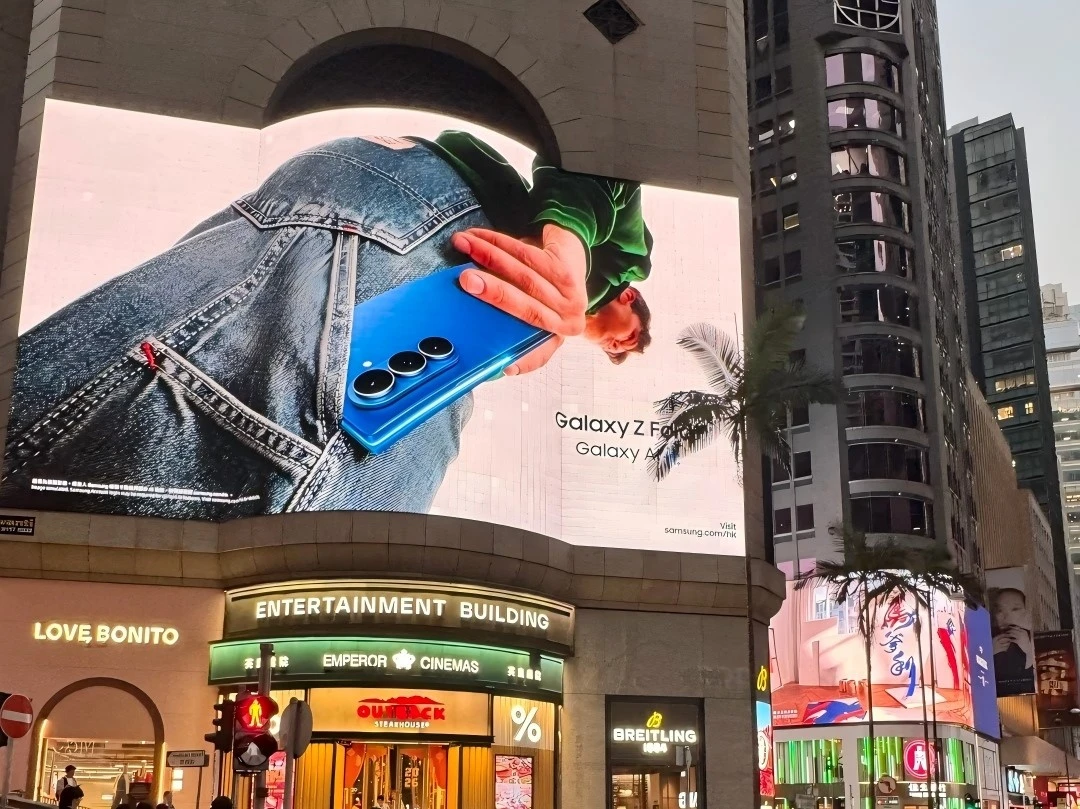
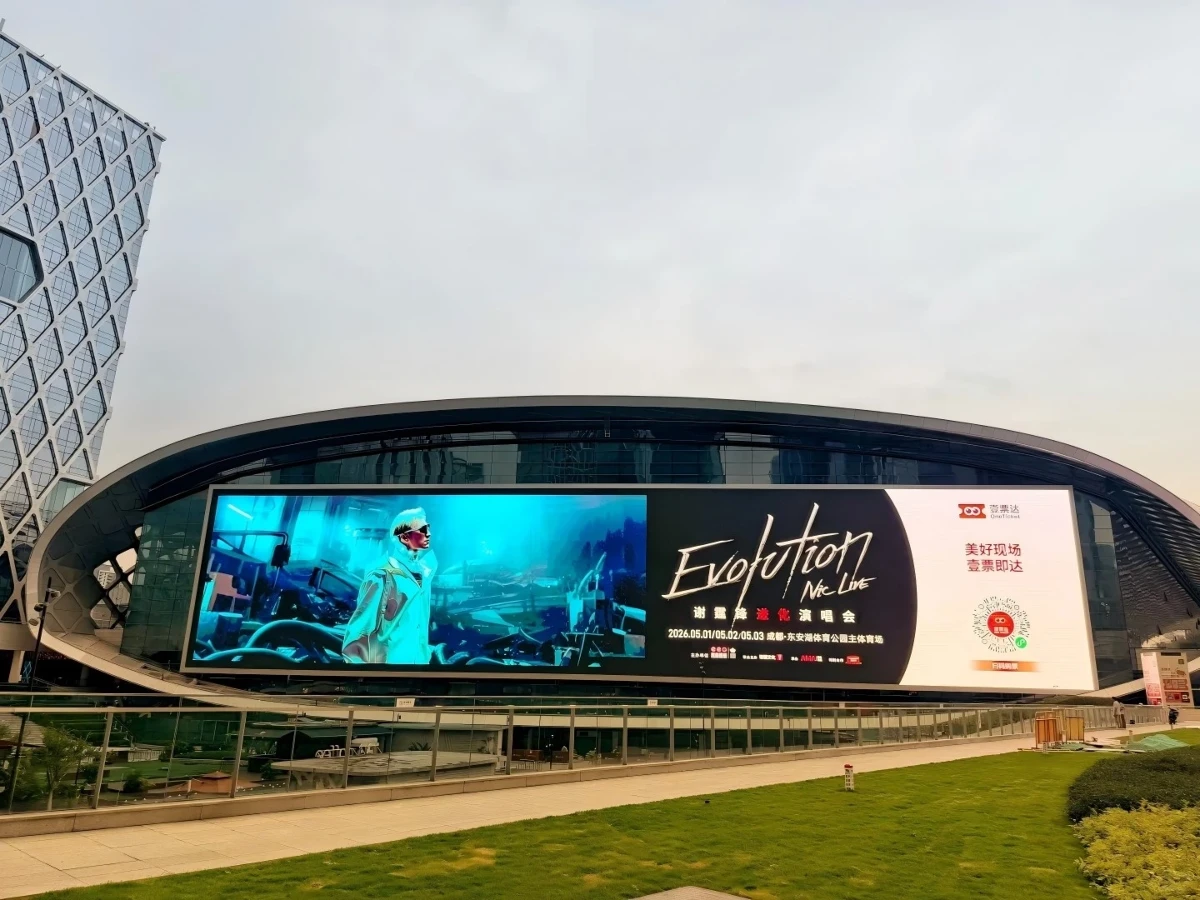
The core challenge for outdoor LED displays lies in countering the interference of sunlight. During direct sunlight at noon, the ambient brightness can reach 100,000 lux. If the screen's brightness is insufficient, the image will be completely overwhelmed by ambient light. Therefore, the basic brightness threshold for outdoor screens is 5000cd/㎡. In areas exposed to direct sunlight, a brightness of 8000-10000cd/㎡ is required to ensure clear image visibility.
The brightness unit "cd/㎡" (candela per square meter) directly reflects the screen's luminous intensity. A higher value means better visibility under strong light, but it's not a case of "the higher, the better". It is essential to strike a balance based on the environment and usage requirements.
II. Brightness Selection: The Core Logic of Scenario-Based Decision-Making
1. Ambient Light: The "Primary Benchmark" for Determining Brightness
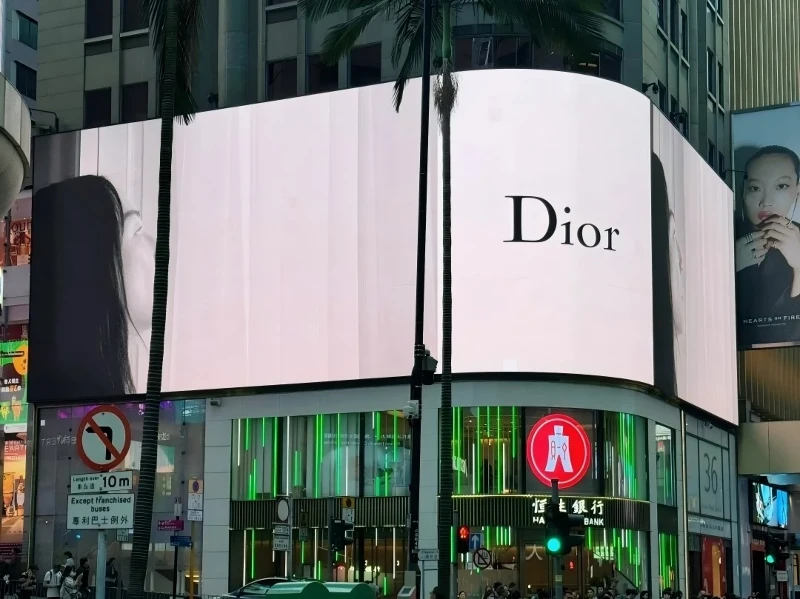
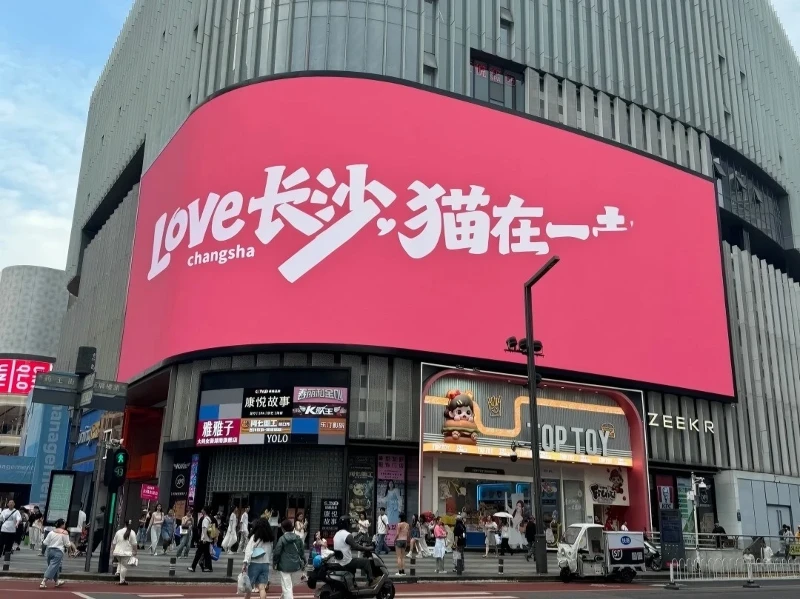
The primary basis for selecting the brightness of an outdoor screen is the intensity of ambient light at the installation location. For example, a rooftop screen facing south and exposed to direct sunlight requires a high-brightness model of 8000-10000cd/㎡. In contrast, screens facing north or located in shaded areas only need 5000cd/㎡ to meet the requirements. For traffic guidance screens installed in roadside shaded areas, excessive brightness not only wastes energy but may also cause glare, posing safety hazards. In this case, a brightness of around 5000cd/㎡ is more appropriate.
2. Smart Dimming: The Key to Balancing Visibility and Energy Consumption
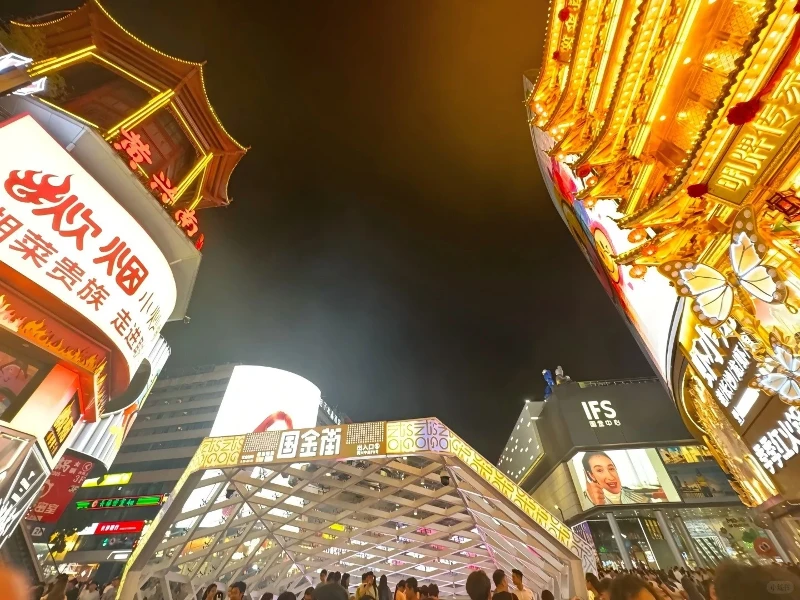
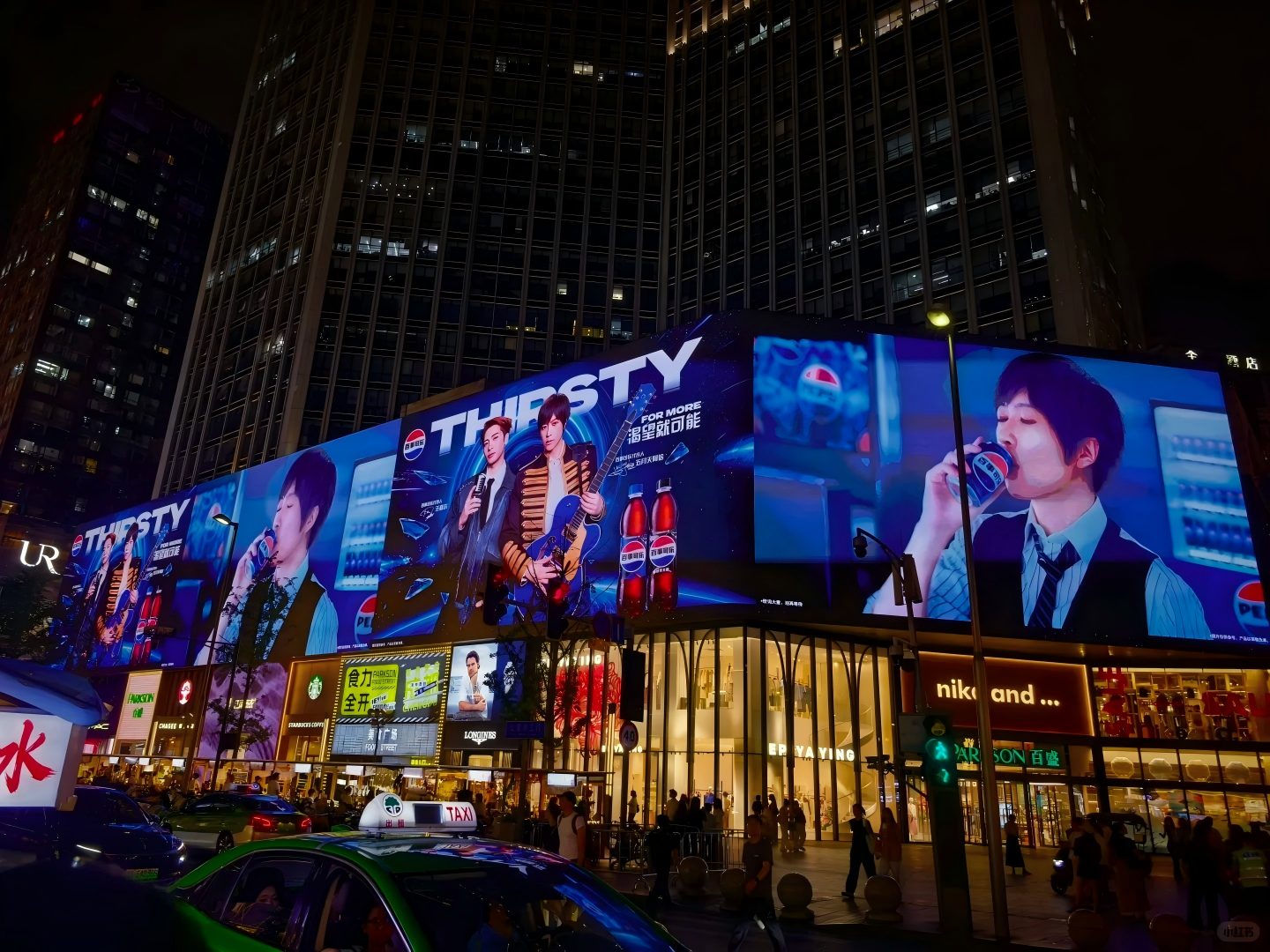
High-quality outdoor screens should be equipped with an automatic light-sensing dimming system. This system dynamically adjusts the screen brightness by monitoring the ambient light in real time. It automatically increases to the peak brightness under strong daylight and reduces to below 1000cd/㎡ at night or in low-light environments, thus avoiding light pollution and reducing energy consumption, which extends the screen's lifespan.
3. Brightness Margin: Ensuring Long-Term Stable Operation
LED lamp beads are subject to lumen depreciation, and long-term full-load operation will accelerate brightness decay. It is recommended to choose a screen whose maximum brightness exceeds daily requirements, and set the daily operating peak at 80% (for example, if a display effect of 6000cd/㎡ is needed, choose a screen with 7500cd/㎡). The reserved margin can delay lumen depreciation and extend the service life of the equipment.
III. Pitfall Avoidance Guide: Hidden Traps Beyond Brightness
1. Blindly Chasing High Brightness While Ignoring Comprehensive Performance
Some purchasers believe that "the higher the brightness, the better", but overlook key parameters such as protection rating and heat dissipation. If the screen's protection rating is insufficient, even with high brightness, water and dust ingress will cause circuit short circuits and shorten its lifespan. Outdoor screens must have an IP65 or higher protection rating to withstand harsh environments with wind and rain.
2. Overlooking the Control System, Increasing Operation and Maintenance Costs
Inferior control systems cannot achieve smart dimming. They not only consume high energy but also lack remote monitoring capabilities. In case of a failure, on-site troubleshooting is required, which significantly increases operation and maintenance costs. It is advisable to prioritize control systems equipped with remote monitoring and smart brightness adjustment, which can monitor the screen's status in real time and provide early fault warnings, thereby reducing downtime.
3. Confusing Scenario Requirements and Choosing the Wrong Brightness Type
Semi-outdoor scenarios (such as glass storefronts) are often mistakenly equipped with ordinary indoor screens, leading to blurred display during the day. Storefront screens need to balance indoor precision with outdoor anti-reflection capabilities, and their brightness should be controlled between 2500-4500cd/㎡, rather than the 800-2000cd/㎡ of ordinary indoor screens.
IV. Summary of Purchasing: Scientific Matching and Precise Pitfall Avoidance
Choosing the brightness of an outdoor screen is essentially about finding a balance among visibility, energy consumption, cost, and lifespan. The core principles are: select brightness based on ambient light, pair it with a smart dimming system, reserve a brightness margin, and simultaneously consider the protection rating and control system performance.
Among the numerous brands, the ONE PLUS ONE brand has deeply cultivated the field of outdoor LED displays. With its mature high-brightness display technology, IP65-rated protection design, and smart dimming system, it can accurately meet the needs of different outdoor scenarios. Its products not only meet brightness standards but also strictly control heat dissipation and stability. Coupled with comprehensive after-sales operation and maintenance services, it provides reliable guarantees for various outdoor projects. Choose ONE PLUS ONE for worry-free brightness adaptation of outdoor screens and a more secure investment!