


LED screen for advertising indoor in Shanghai Huigu White Cat Technology Park
May 08, 2024
Leave a message
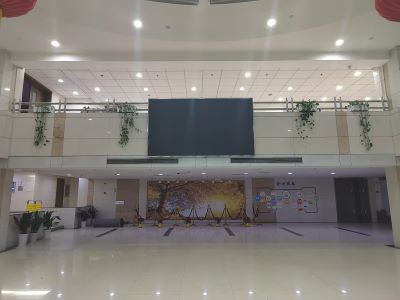
Shanghai Huigu White Cat Technology Park, as one of the recognized software parks in Shanghai, aims to attract and support the development of high-tech and software enterprises. To enhance the display effect and office environment of the park's hall, one plus one Company customized a P1.53 led screen for advertising indoor solution for the park.
This solution has the following features:
01
High Brightness and High Definition
Even in strong light environments, the LED screen can clearly display information, ensuring the effectiveness of message communication.
02
Low Energy Consumption
The LED display screen has high energy efficiency, helping to reduce power consumption and achieve environmental protection and energy saving.
03
Long Life Span
The ultra-long service life reduces the frequency of equipment replacement and maintenance costs, providing stable long-term display.
04
Large Size Display
Supports large size installation, which can be flexibly arranged according to office space needs, displaying rich content.
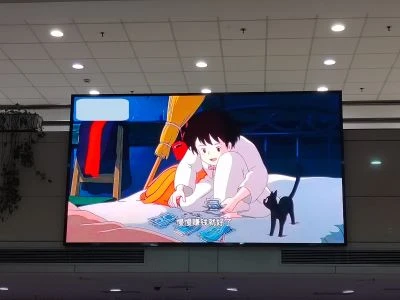
This led screen for advertising indoor not only meets the information display needs of modern offices but also brings a qualitative leap to the office environment with its high-performance features.
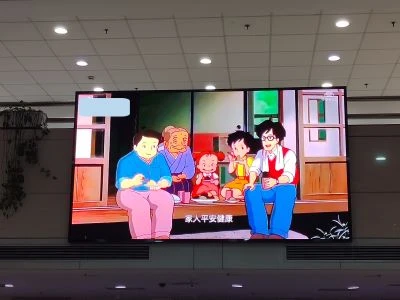
By implementing an indoor advertising LED display screen solution, the Shanghai Wisdom Valley White Cat Science and Technology Park can expect to see improvements in visitor engagement, brand visibility, and overall experience, which can lead to increased business opportunities and a stronger reputation within the industry.
FAQ
Q: What is the difference between indoor and outdoor LED screens?
1. Brightness: Outdoor LED screens require higher brightness levels to compensate for sunlight and other external light sources. Indoor LED screens have lower brightness levels as they are typically used in controlled lighting environments.
2. Weather Resistance: Outdoor LED screens must be designed to withstand harsh weather conditions such as rain, snow, wind, and extreme temperatures. In contrast, indoor LED screens do not require the same level of weather resistance as they are installed in a controlled environment.
Other differences may include viewing distance, pixel pitch, and cost.
Q: What is indoor LED display?
Q: What are the disadvantages of LED screen?
Q: Do LED screens degrade over time?
1. Brightness Reduction: Over time, the brightness of LED screens can diminish, which may result in a dimmer image. This is due to the gradual decline in the performance of the light-emitting diodes.
2. Color Shift: The color temperature and saturation of an LED screen might change over extended use, causing colors to appear different than when the screen was new.
3. Uniformity Issues: As the individual pixels age, they might not all maintain the same level of brightness or color, leading to non-uniformity in the displayed image.
4. Dead Pixels: Permanent failures of individual pixels can occur, resulting in dead spots on the screen where the image does not display correctly.
5. Burn-in: Long-term static image display can cause some LED screens to suffer from image retention, or "burn-in," where certain areas of the screen show a persistent ghosting effect of previous images.
6. Component Aging: Other components within the LED screen, such as capacitors and backlight systems, can also degrade over time, affecting overall performance.
The rate of degradation depends on various factors, including the quality of the screen, how it is used, and its environment. Higher-quality LED screens with better manufacturing standards tend to have longer lifespans and are less susceptible to degradation. Proper maintenance and usage can also extend the life of an LED screen.
Q: What causes LED screen damage?
Q: How to properly shut down and store an LED screen to avoid damage?